

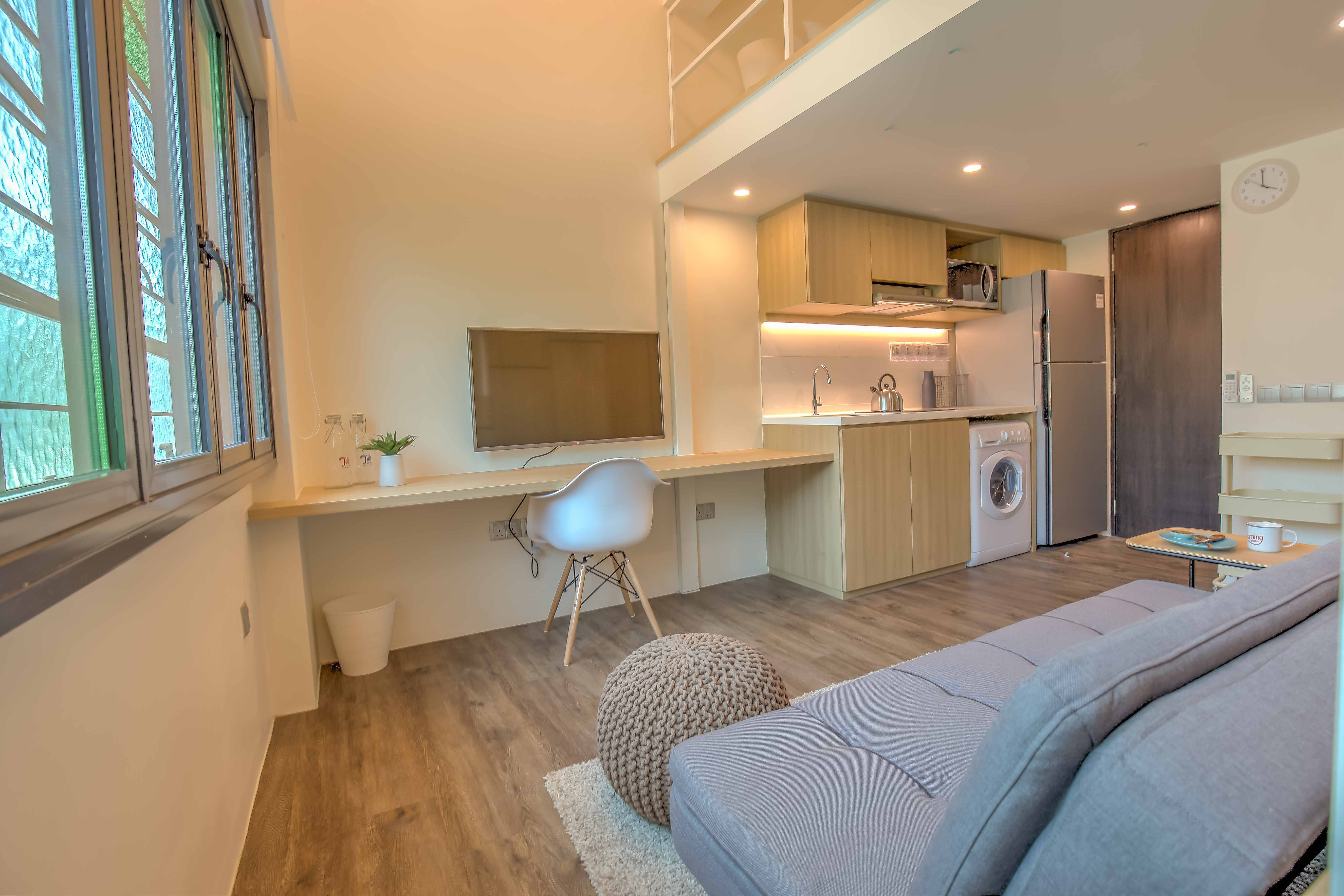
Things to Know When You Buy Apartment in Singapore
Tired of being a landlord and keen to settle down in Singapore? To buy apartment in Singapore is a major commitment and needs professional advice at every turn.
Be aware of the situation of the market
The strong sales market, which was boosted by low interest rates and high equity levels, required the government to step in with “cooling measures”. This has turned the market into a buyers’ market, so buyers are more patient and taking a wait-and-see approach.
There are possibilities of the cooling measures changing and that the market is reaching saturation. However, the influx of a large number of new units on the market in the next few years and interest rates increasing might have a dampening effect on prices.
Purchasing is a good option if you can afford it
Investing a monthly rental amount into your own property rather than someone else’s makes good sense; especially if you are looking at it long term. As an expat, how long you reside here usually depends on your employment contract. If you do buy apartment in Singapore and have to sell it at short notice, you run the risk of having to off-load it at an unfavourable price. If you have the financial holding power to keep the property and sell it at a later time when prices are high, Singapore offers great returns on your investment and is a popular country for property investors for this and other reasons. There are no restrictions against expats purchasing condominiums but there are restrictions for expats buying landed property.
Budget to buy apartment in Singapore
It is recommended that at least 30 percent of the purchase price is paid to safeguard against market downturns and possible increases in interest rates. The banks will also start looking at the potential buyers Total Debt Servicing Ratio (TDSR) to determine how much you may borrow. A foreigner can usually borrow up to 80 percent of a local bank’s valuation of a property, depending on their TDSR.
Keep in mind any additional expenses including maintenance of the property, insurance and taxes. If you live in your property, the progressive tax rate starts from four percent of the annual value of the rental. However, if you rent it out, the progressive interest rate could start at 10 percent. Be sure to speak to an expert about the regulations before committing.
Now that you are equipped with the facts, then happy finding Singapore apartments! (And if you prefer renting apartments, check out some of our top tips for renting property in Singapore.)


Recent Comments